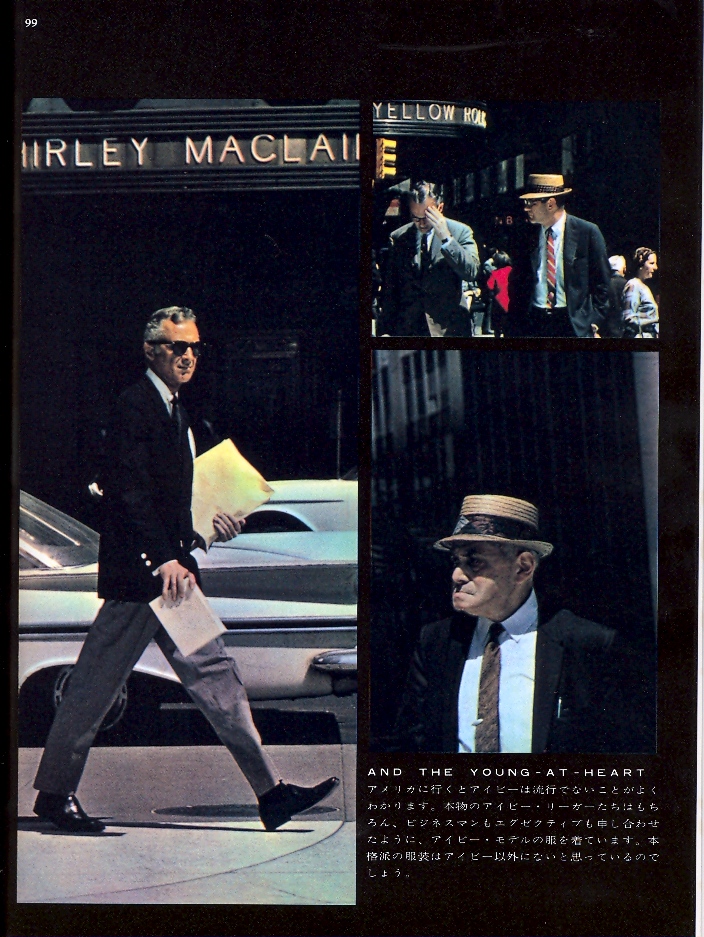
'Take Ivy' for the Young at Heart to the young at heart of real life gentlemen!!!!
The reprint of Take Ivy just saved you $2,000 which you can put towards an entire wardrobe from J. Press.
With the help of brands like Thom Browne, Engineered Garments and Band of Outsiders, global fashionista's have re-embraced traditional American clothing from Ivy League prep to outdoorsman classics. Ironically, this interest in historical New England attire has directed everyone's attention to somewhere very far away from New Haven and Boston: the island of Japan.
Japan's obsession with Ivy League clothing is now legendary, and in this hope to get all the details right, the hardcore Japanese Ivy fans of the 1960s probably did more to preserve documentation of the style than Americans.
Iconic Japanese photography book of Ivy League campuses in 1965 is out of print in Japan and commands high prices on net auctions. But now it's getting an American re-release in August 2010!
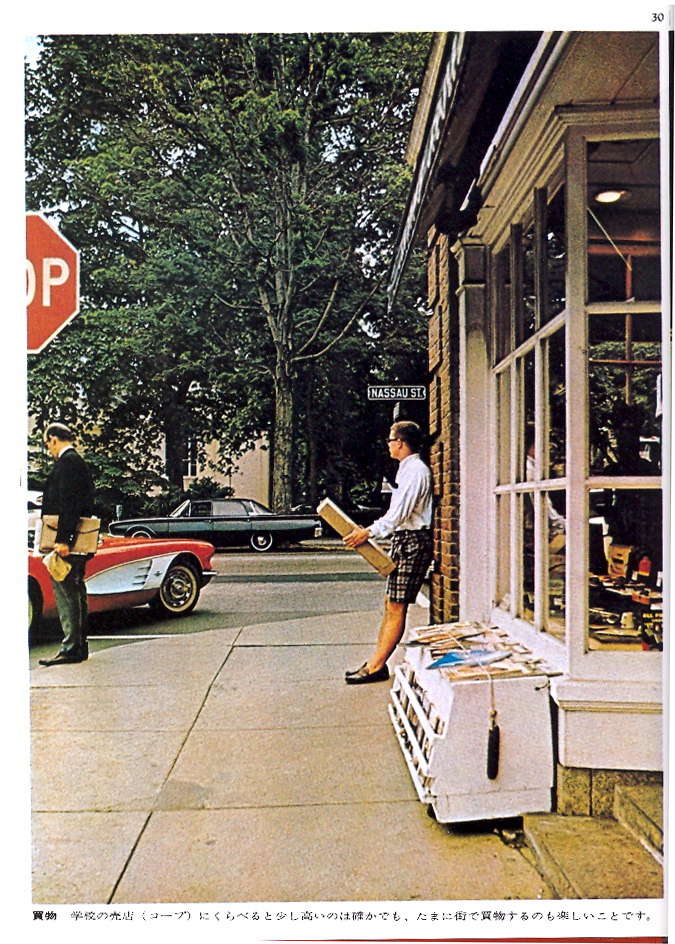
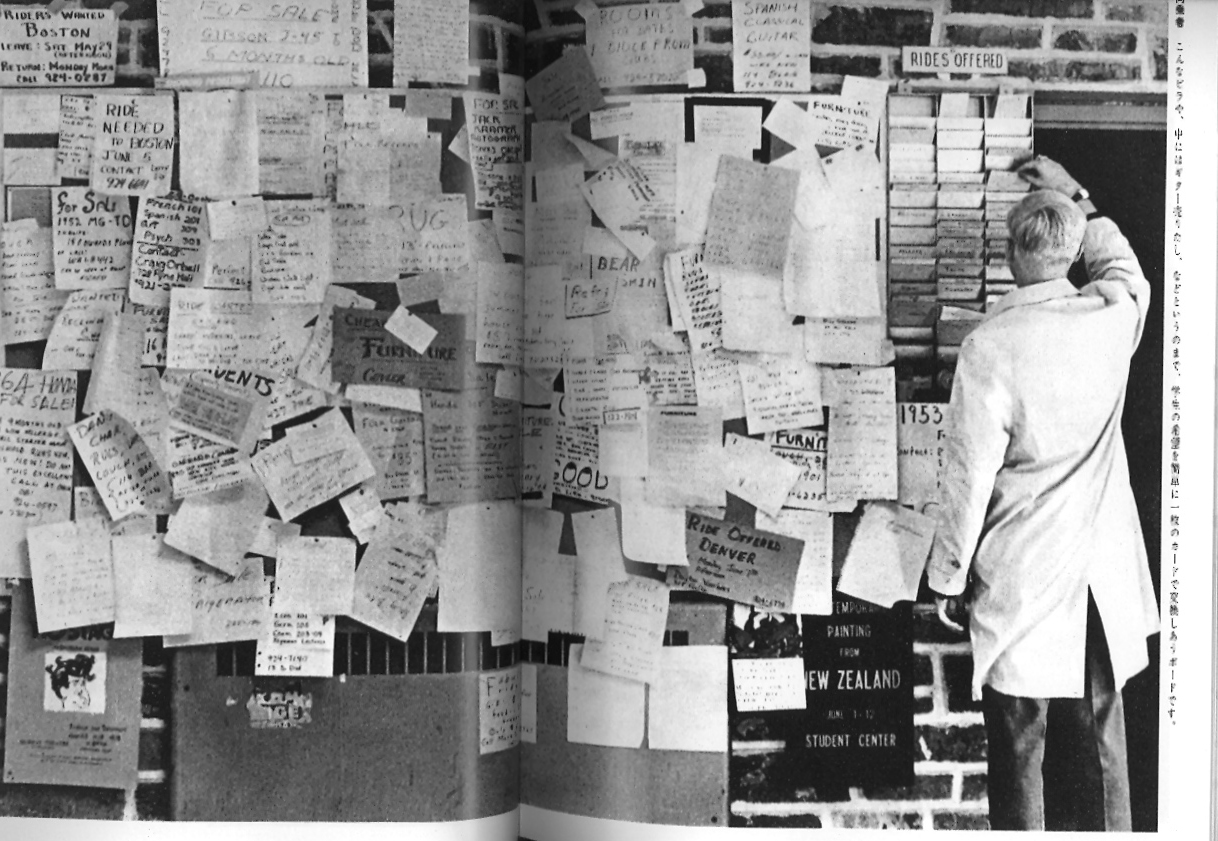
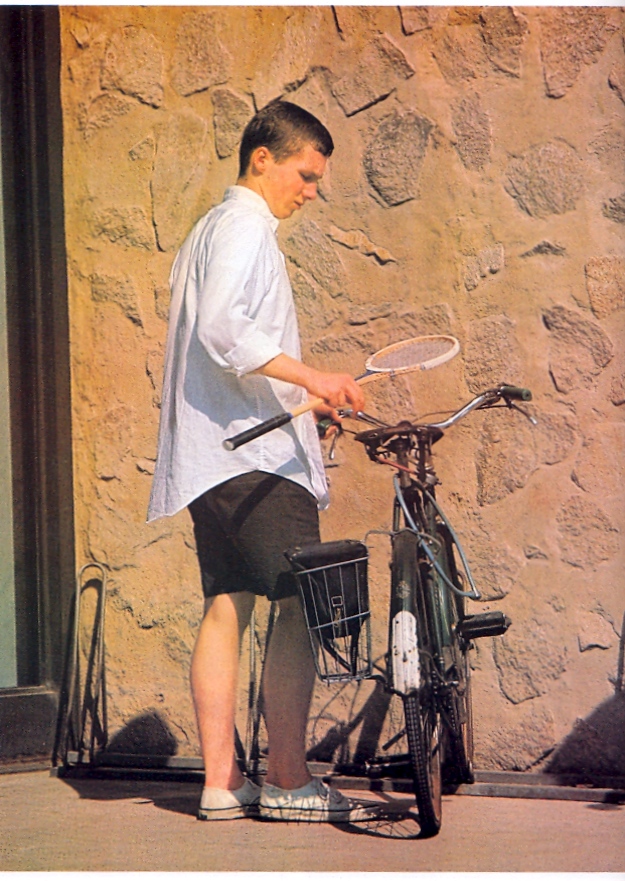
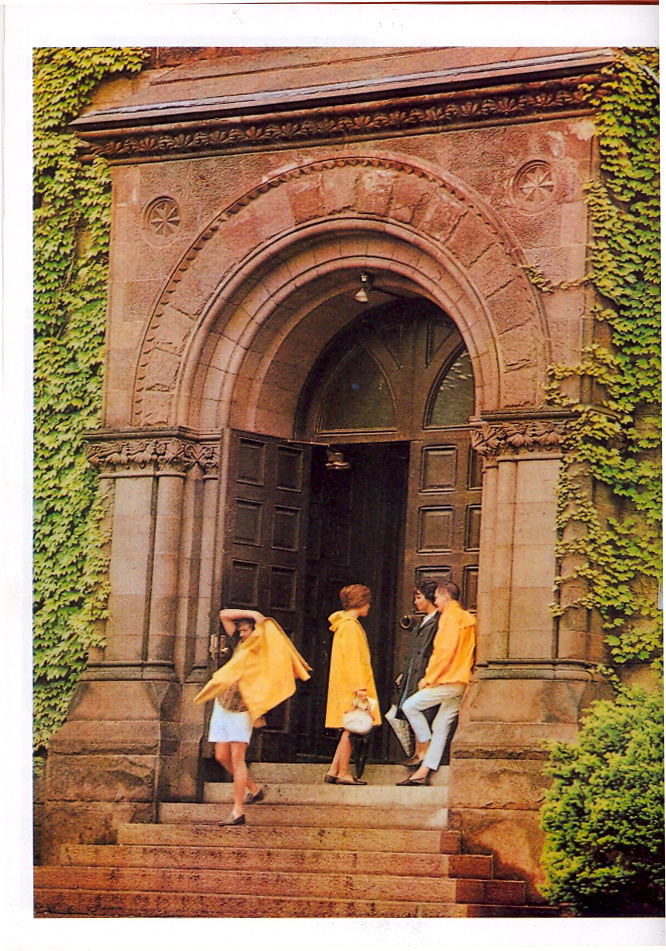
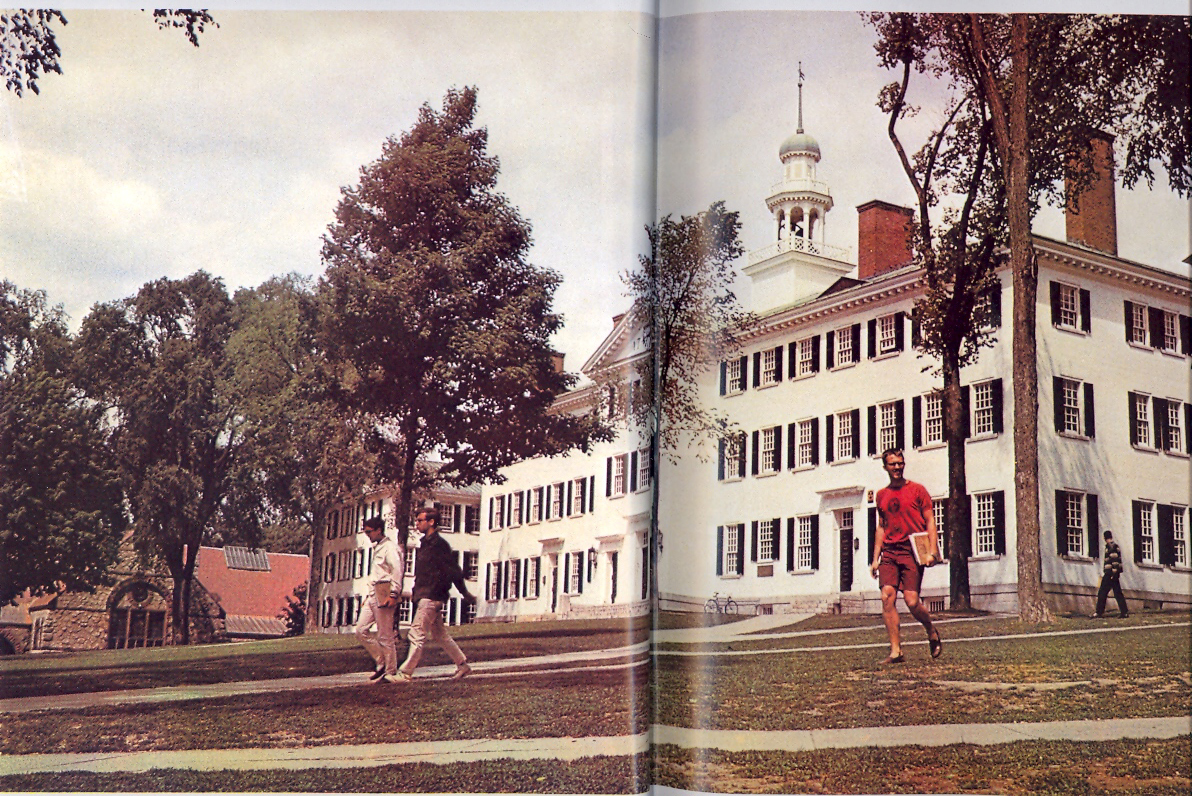
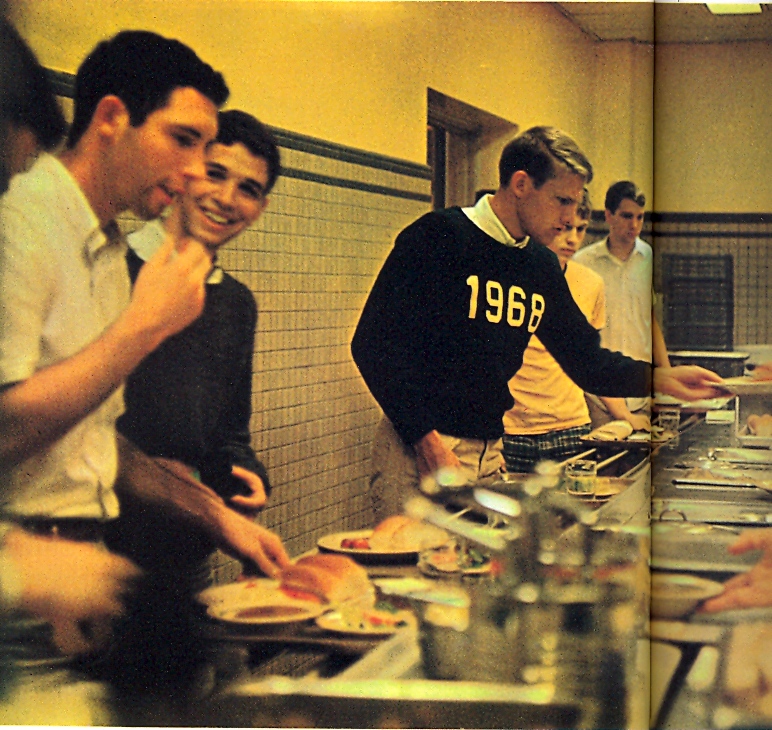
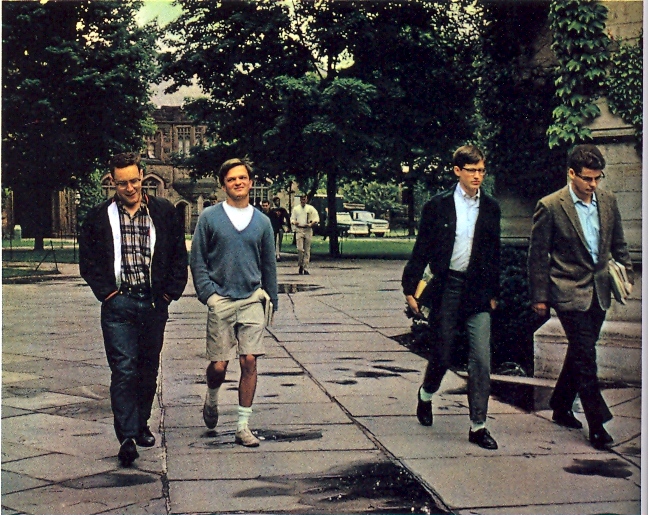
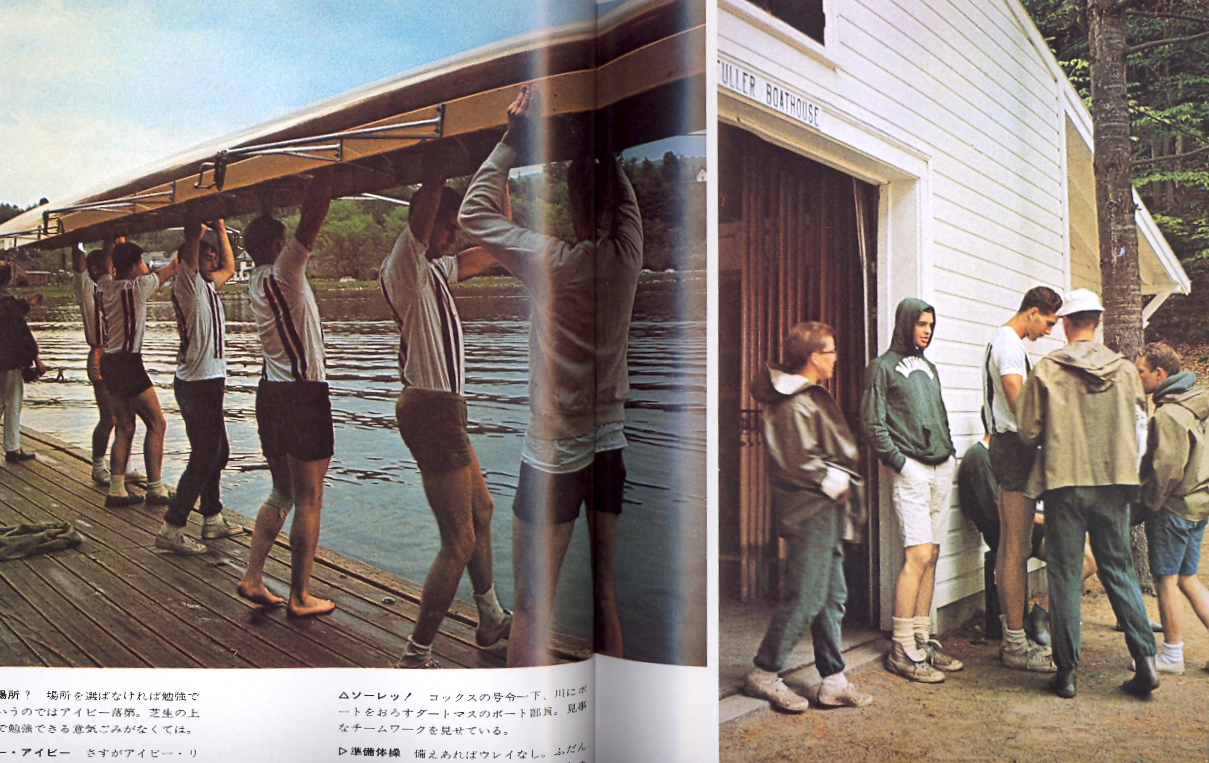
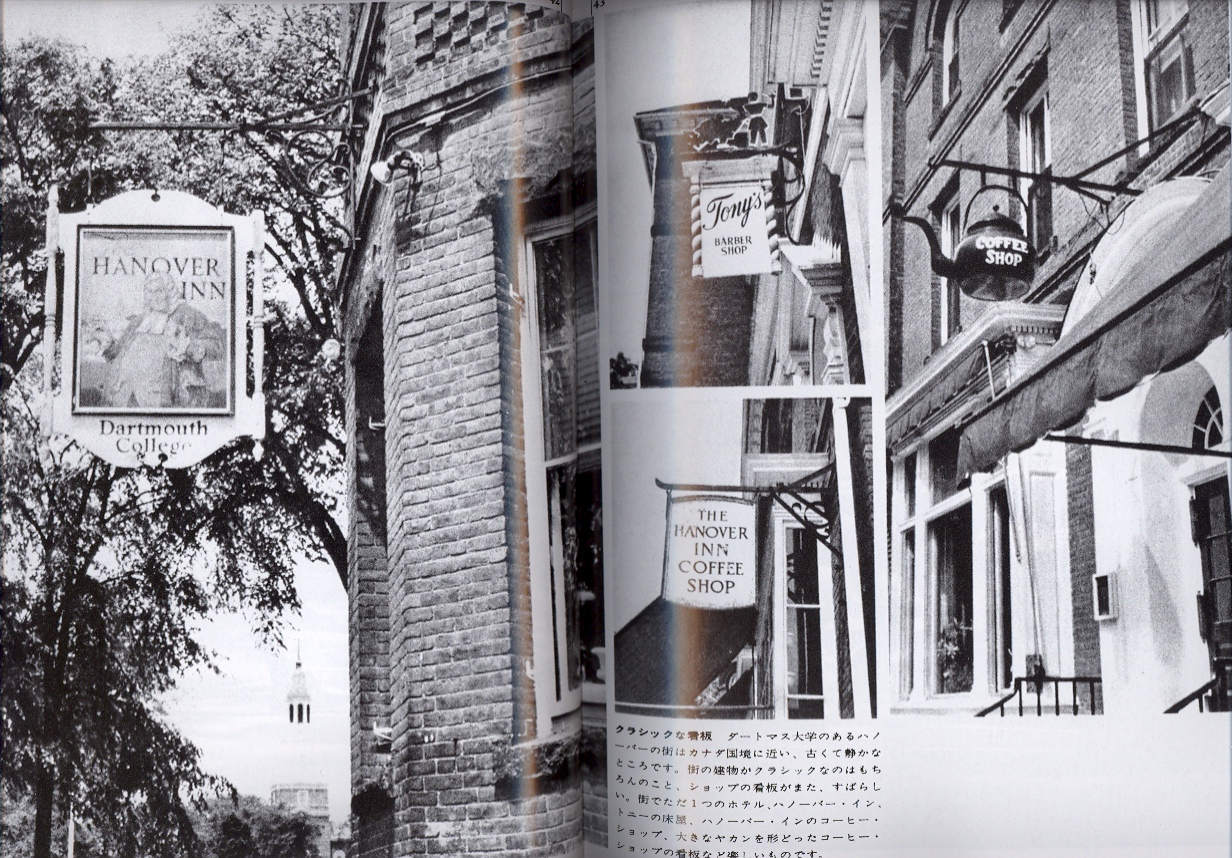
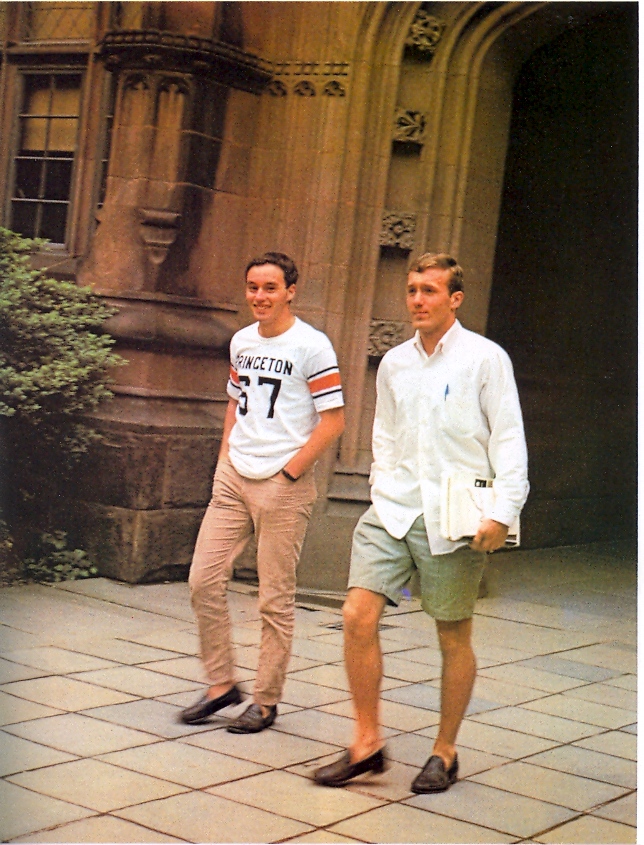
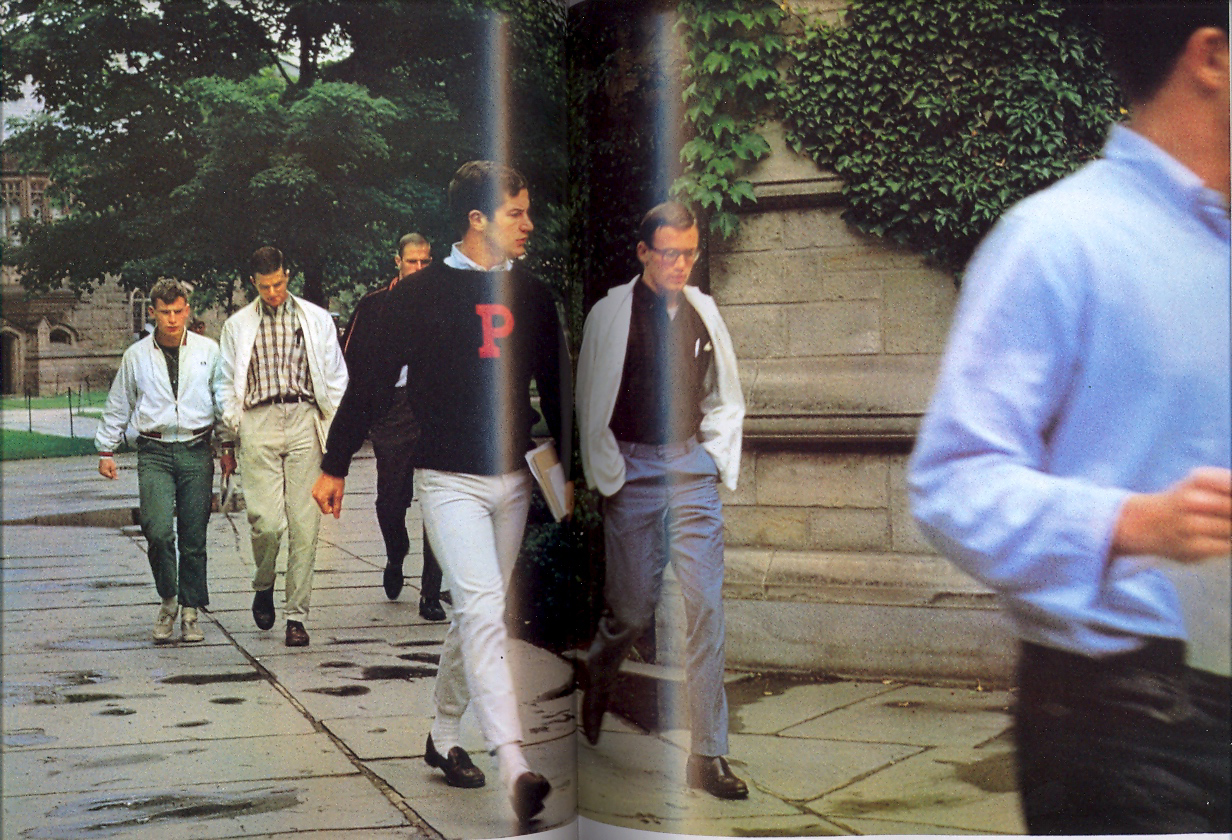
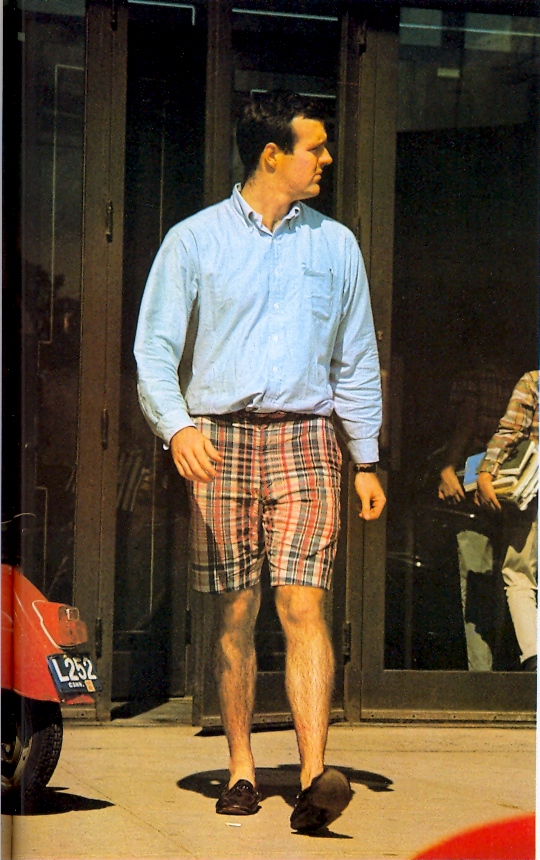
Case in point: "Take Ivy," a photobook released in 1965 through magazine "Men's Club" featuring photos by T. Hayashida of Ivy League campuses. This book is now considered to be the bible of the Ivy League look in Japan.
Fashion fans in the West learned about the book over the last five years, but those hoping to pick up a copy came up against a considerable barrier: the book was out-of-print in Japan and could go for up to $2,000 online. The remedy at first was for netizens to scan every page of the book.
Now comes a much more legal solution: an American publisher will re-release the book in the United States in August 2010 at the very affordable price of $24.95. This will be a blessing for Japanese fans as well, who can import it via Amazon Japan much cheaper and easier than paying for a used copy in Japan.
Even if you are not interested in the clothing or photos, you have to admit, "Take Ivy" is the perfect metaphor for 21st century globalization: Japanese fans will be buying an American reprint of a Japanese book about American style.
Described by The New York Times as, “a treasure of fashion insiders,” Take Ivy was originally published in Japan in 1965, setting off an explosion of American-influenced “Ivy Style” fashion among students in the trendy Ginza shopping district of Tokyo. The product of four sartorial style enthusiasts, Take Ivy is a collection of candid photographs shot on the campuses of America’s elite, Ivy League universities. The series focuses on men and their clothes, perfectly encapsulating the unique academic fashion of the era. Whether lounging in the quad, studying in the library, riding bikes, in class, or at the boathouse, the subjects of Take Ivy are impeccably and distinctively dressed in the finest American-made garments of the time.
Take Ivy is now considered a definitive document of this particular style, and rare original copies are highly sought after by “trad” devotees worldwide. A small-run reprint came out in Japan in 2006 and sold out almost immediately. Now, for the first time ever, powerHouse is reviving this classic tome with an all-new English translation. Ivy style has never been more popular, in Japan or stateside, proving its timeless and transcendent appeal. Take Ivy has survived the decades and is an essential object for anyone interested in the history or future of fashion.
Teruyoshi Hayashida was born in the fashionable Aoyama District of Tokyo, where he also grew up. He began shooting cover images for Men’s Club magazine after the title’s launch. Very sophisticated in style and a connoisseur of gourmet food, he is known for his homemade, soy-sauce-marinated Japanese pepper (sansho), and his love of gunnel tempura and Riesling wine.
Shosuke Ishizu is the representative director of Ishizu Office. Originally born in Okayama Prefecture, after graduating from Kuwasawa Design School he worked in the editorial division at Men’s Club until 1960 when he joined VAN Jacket Inc. He established Ishizu Office in 1983, and now produces several brands including Niblick.
Toshiyuki Kurosu was raised in Tokyo. He joined VAN Jacket Inc. in 1961, where he was responsible for the development of merchandise and sales promotion. He left the company in 1970 and started his own business, Cross and Simon. After the dissolution of his brand, he began appearing on the legendary variety show Asayan on TV Tokyo as a regular and soon gained popularity. He is also an active writer and intellectual.
Hajime (Paul) Hasegawa is from Hyogo Prefecture. After studying in the U.S., Hasegawa returned to Japan in 1963 to join VAN Jacket Inc. At VAN, he was responsible for advertising and PR. For the production of Take Ivy, Hasegawa was the main coordinator and interpreter on the ground. He has since held several managerial positions in Japan and abroad and currently serves as executive director for Cosmo Public Relations Corporation.
Ah yes, another pair of blue shoes for the season. This time they come from Hiroshi Tsubouchi. They look familiar right? Take at that rear detail on this one (above). It sets it apart (just slightly) from the pack of comparable footwear. Arks in Japan has them. Good luck.
More looks at the Hiroshi Tsubouchi Blues after the click.
* * * * * * * * *
Super Bucks
Like the chukka, there are countless variations on the classic buck shoe. So many that they tend to get lost in the mix but these Japanese made “Super Bucks” from Hiroshi Tsubouchi may be the standouts with their gum sole and purple upper. Extra nice comfort for ya. (arks)
More views of the Hiroshi Tsubouchi Super Bucks after the jump.
Take a photographic tour round the former Iraqi embassy in East Berlin; learn bachelor cookery. There’s even a free colour print by Ralph Steadman. And days after Monocle claimed their tote bag sales had funded their new Hong Kong bureau, enjoy Manzine’s pop-up Berlin street store (after the jump) which rather than fund a new bureau was presumably diverted to pay for the free print.
Magculture turns us onto the news that one of our favourite men’s magazines, Manzine, has just released their third issue. With a free print from longtime Hunter S. Thompson collaborator Ralph Steadman stashed amongst articles on great British trees, political beard infographics and a visit to former Iraqi embassy in East Berlin, it’s not your typical men’s magazine. If you still need a heads up on their sense of humour, take a look at the above spread – no prizes on who they’re mocking. As usual you can buy it straight from the source (Manzine)
Issue. 2
We love a good ol’ magazine here and we’ve been pretty determined to show that there’s a whole wide world beyond Monocle and i-D magazine. Take Manzine for instance (which we found via Magculture). It’s a decidedly lo-fi affair, printed on blue copier paper instead of the stockier stuff other magazines are now turning to. You could call it the anti-Monocle. Instead of articles on the perfect neighbourhood, there’s features on turning forty, wearing shorts in summer and a shopping trip to Westfield. What sets it apart is the contributor list, which reads like a who’s who of (UK) men’s magazines. To sum up, the magazine’s an enjoyable in-joke.
Take a look at images from the magazine after the leap.
Charlotte+Beck=IRM The collaboration, is very obtusely robotic...retro-futurist!
Charlotte Gainsbourg+Beck - IRM (2009)
Who could have expected Charlotte Gainsbourg to follow up the genital mutilation of AntichristIRM, Gainsbourg’s third album. His impress is all over the music, sounding sometimes like a more focused Odelay, sometimes like a sweeter Mutations. In spite of its producer’s influences, the eclipsing shadow of her father, and whatever the hell went on in Antichrist, this is Charlotte Gainsbourg’s album. And it’s a powerful album.
“Master’s Hands” starts things off by introducing the sonic aesthetic here: heavy bass, minimal guitar, breathy dissonant vocal melodies and surprisingly complex drumming, at home on a Can album or Fela Kuti. Gainsbourg’s voice coos and purrs, double tracked, drowning in reverb, sounding like she’s whispering in your ear, standing behind you.
The title track is the apogee of Gainsbourg’s collaboration with Beck. Written after a water-skiing accident in 2007 forced Gainsbourg through several MRIs (“imagerie par resonance magnetique”) to diagnose a brain hemorrhage, the album replicates the stress, noise, and contradictory serenity inside the claustrophobic tunnel. Taking its drum beat from the MRI’s electronic resonance, Gainsbourg’s voice has never sounded more forthwright: “Take a picture what’s inside,” she shouts like the Crystals have just taken acid and fired their orchestra. It’s one of the most unassumingly sinister pop songs in years—accidentally frightening, catchy by mistake.
It’s when Gainsbourg slows things down that she resembles her father most. “Le Chat Du Café Des Artistes” and “Vanities”, replicate the disco strings of “Melody” from 1971’s classic Histoire de Melody Nelson, only more sober, alert. “Dandelion” has a throw back blues riff. With Gainsbourg’s whispered vocals, it walks the cusp between derivative rockabilly and pulsating electronica. Throughout IRM, Gainsbourg and Beck explore the tensions and contradictions between accessible pop and freaky science lab experiment. It creates a collection of anxious songs, compulsively listenable in spite of themselves.
The last half of the album goes deeper into the music’s dark exploration of pop music, with a series of surrealistic images and a more chaotic cacophony for instrumentation: The funk guitar of “Trick Pony” is like the White Stripes cooked up in a spoon with Gainsbourg’s vocals drenched in murky reverb claiming, “Trick Pony he don’t know me he don’t know me at all.” On “Greenwich Mean Time”, she sings about living in a crooked house with a crooked cat and mouse. They “stick together like dirty horse flies”, while chaotic circus music plays in the background. “Looking Glass Blues” is a druggy re-telling of Alice in Wonderland, with an organ played backwards and a frightening blues riff turned upside down—like Chuck Berry from the other side of the mirror.
IRM is a swirling mess of sounds and signifiers, tied together in how irresistible it all is. As good as the album is as a whole, the lead single, “Heaven Can Wait”, is too good to be spoken of in the same breath as these other songs. Not since “Life During Wartime” has a pop song been so enigmatic—so friendly because of its creepiness. With a shuffle beat and a soulful horn section, Beck and Gainsbourg harmonize together: “Heaven can wait and hell’s too far to go / Somewhere between what you need and what you know.” A thumping piano contradicts the song’s heartbeat drums while the chorus reaches its peak: “And they’re trying to drive that escalator into the ground.” It’s a head scratcher, but the bizarre sentiment is made about as accessible as “I wanna hold your hand” with the exuberances of the singers’ performance. An astonishing album.
Track Listing:
01. Master's Hands 02. IRM 03. Le Chat du Cafe des Artistes 04. In The End 05. Heaven Can Wait 06. Me And Jane Doe 07. Vanities 08. Time Of The Assassins 09. Trick Pony 10. Greenwich Mean Time 11. Dandelion 12. Voyage 13. La Collectionneuse 14. Looking Glass Blues (Bonus track)
Charlotte gainsbourg announced earlier that she will be releasing an album that was co-written and produced by Beck, titled "IRM". One of the songs on the album features a duet with the Record Club man. The track is titled 'Heaven Can Wait'. The video is full of strange imagery presented in an everyday fashion with CHarlotte Gainsbourg and Beack featured in almost every scene. My favourites are the astronaut with the pancake head and the man bathing in the tub of Fruity Pebbles. You can watch the video below.
* * * * * * * * *
All about CHARLOTTE GAINSBOURG
Paris, France (1984 – present)
Charlotte Gainsbourg (born 21 July 1971 as Charlotte Lucy Gainsburg) is a French actress and singer-songwriter.
Gainsbourg was born in London, but was raised in Paris. She is the daughter of British actress and singer Jane Birkin and French actor/singer Serge Gainsbourg. Her maternal grandmother was actress Judy Campbell and her uncle is the screenwriter Andrew Birkin, who directed her in The Cement Garden. Gainsbourg’s longtime partner and spouse is the French actor/director Yvan Attal, with whom she has two children, Ben (born on 12 June 1997) and Alice (born on 8 November 2002).
Gainsbourg made her motion picture debut playing Catherine Deneuve’s daughter in the film Paroles et musique (1984). In 1986, Gainsbourg won a César Award for “Most Promising Actress” for L’effrontée, and, in 2000, she won “Best Supporting Actress” for the film La Bûche.
Gainsbourg made her musical debut with her father on the song “Lemon Incest” in 1984. Two years later, she released her debut album Charlotte for Ever, which was produced by her father.
In 2006, Gainsbourg released her second album 5:55 to critical acclaim and commercial success, reaching the top spot on the French charts and achieving platinum status in the country. In the UK, the album was moderately successful, reaching #78 (The single The Songs That We Sing only made #129).
Gainsbourg has recently released her third studio album, IRM, which was produced by Beck. One of the influential factors in the album’s creative process was her time spent filming Antichrist.
"CHARLOTTE FOREVER!!!"
* * * * * * * * *
'CHARLOTTE GAINSBOURG+BECK'
“Tried very different things, and then gradually it was…homogène. The songs are all in different styles but one proper album. I was able to go and try a blues song, then go into more of a pop song. I even tried a rap that didn’t work out because I wasn’t very good…”
Back in June, Beckdropped a few hints about an upcoming album he was working on with Gallic singer-actress Charlotte Gainsbourg, and now that album-- dubbed IRM, which is French for MRI-- is set for release this coming January via Because.
And while we assume Charlotte's name will grace the LP's cover in bold type, Beck's contribution can't be underestimated-- not only did he write all of the record's music, he co-wrote the lyrics, produced, and mixed the thing. And if that photo of Charlotte and Beck up there is to be believed, these guys were concentrating super hard on this stuff while in the studio. Consider your classy/sultry post-holiday bash soundtracked.
In other Beck news, the online powerhouse continues to update his official site with cool mixes, covers, and videos on a daily basis. He's got another Record Club covers project debuting next Thursday that features MGMT, Devendra Banhart, and members of Wolfmother and Little Joy.
Posted by Ryan Dombal
* * * * * * * * *
Charlotte Gainsbourg’s Latest Is
Pretty… IRM.. well, Good
Given that Charlotte Gainsbourg’s 2006 album 5:55 sounded very much like the product of producer Nigel Godrich and Air, who more or less led the affair, it’s not terribly surprising that her latest, the Beck helmed IRM, sounds a lot like this producer’s most recent record, last year’s Modern Guilt. However, this is dismissive of Miss Gainsbourg, making her seem like a somewhat talented singer with mere good taste in producers, which is really not the case. There is something to be said for how this and 5:55 still sound as though cut from the same cloth, not to mention the fact that this trait is due to more than just her breathless, almost smoky register. While IRM is unquestionably different from Gainsbourg’s sophomore effort, the Beck flavor added merely gives her sound a more fun, upbeat impression rather than simply the feel of a new producer.
As opener Master’s Hands progresses, one can’t help but marvel at how appealing such a bare boned, percussion and string dominated track can be. Gainsbourg’s vocal fills and patterns give the song its charm, and it establishes an atmosphere that is all her own. In fact, Beck’s presence isn’t really apparent until the title track’s quick bass and drums kick in; the instrumental chorus and progressing intensity sounds very much like Modern Guilt, as does the other single, Heaven Can Wait, on which Beck provides vocals as well. Much like the former track, it mirrors Modern Guilt’s simultaneously rich and lo-fi sound, with its piano led stomp and gradual introduction of new instruments.
Admittedly, there are a few times when, like on 5:55, the producer is more in charge than Gainsbourg herself. Still, the results sound great; past the fact that Le Chat du Café des ArtistesVoyage, a very intricate song where you wouldn’t necessarily be able to spot Beck if you didn’t know to look for him. The following La Collectionneuse is also distinctly Charlotte Gainsbourg, with a spare piano topped by random other elements and her soothing voice leading us through. The track’s closing is unendingly interesting musically, though honestly I can’t help but wonder how alluring the vocals would be if I could understand a damn word she was saying. In the End too sounds very akin to 5:55 as well, though with a touch of indie pop; it sounds bound for a quirky indie film’s soundtrack.
Beck's like "you know, you don't HAVE to look at the camera every time... I never do"
IRM is wrapped up by another Modern Guilt drenched track (even in title), Looking Glass Blues. The echoing wah guitar gives a nice flair, but distracts from the vocal; here is another of the instances where the production really does take over, and Gainsbourg’s voice, while good, just isn’t strong enough to assert itself.
Charlotte Gainsbourg’s latest is a well crafted alternative informed pop record. With a few exceptions, IRM doesn’t really sound too much like Beck, though it’s true that it’s extremely easy to spot if you’re looking for it. As mentioned before, this fits right in with Gainsbourg’s last album despite Air’s at times gratingly obvious presence and Beck’s presence here. The songs are tightly bound orbs of pop with a lot of character and great substance. Though now that I think of it… this could be more to Beck’s credit than hers.
* * * * * * * * *
Don’t get too excited, “Heaven Can Wait” is not a cover of the Meat Loaf ballad from Bat Out of Hell, but the wispy voices of Charlotte and Beck over the otherwise chunky, clumsy track from the upcoming IRM (releasing in January) has its own appeal. The album’s title track is also available to download with an e-mail sign-up at Charlotte’s web site.
I think the title track is brilliant, and the album as a whole seems to get stronger as it goes along. and She has delivered the best of both, at A Cosy Soundtrack For Weekend+live Session 05 Lull your audience over the weekend this.
"They deserve applause for bringing a should-be-classic to the fare!"







![[date-header-bg.gif]](https://blogger.googleusercontent.com/img/b/R29vZ2xl/AVvXsEiCYE3aiPBDWXi-w43FiVfcz7g1sWfQbZekRtSRUquWmWhw6Meh7CwiOGZ_rw2xTPWrmXx1hs9Xdb1po-nZeRoxKqVO1r2IGQRwZqVs3r6Xo7OZP77jnFHpZNSW9kWkvY6Eh_ugorJDgOKe/s1600/date-header-bg.gif)


![[C6.jpg]](https://blogger.googleusercontent.com/img/b/R29vZ2xl/AVvXsEja0wiqwyvt07cCamDYTciiDRnfxaWn4q8tpWSVpcpSbx4KTHKLkfQobbZj0WxA23lwvuWOnWu2coEuuRjsiHJTob2dCqCphzNDs48_Q_9PrNg5XQTS6FmC9KpRaoq0p9UrCR15CnwcZ3hT/s1600/C6.jpg)
![[C7.jpg]](https://blogger.googleusercontent.com/img/b/R29vZ2xl/AVvXsEikfTCJb8tlv6Z4Q4lb7wZUV-CL7262nmym0PQLuiaAnsBsSvr4TOBYnXaxy2rumrtwhMbhzzzEripVI_vGo1cHWCxTSShHNdLHavuJsOtoNUPaxJDKoIb26_1gn59ASv_jplbzc3q6-U_B/s1600/C7.jpg)

![[C9.jpg]](https://blogger.googleusercontent.com/img/b/R29vZ2xl/AVvXsEjf1YrLhmOwlmEoqctNpV2yrrPz7WVTZAAkM_lWVDDPEaTN2noS_ypqdT7z1TGrrqy4P3n2xFWSY5W9fmpWyDth5pK0nSFVFru19TQjMsmjRYKapWaXfUG6U0uhNz8999I5Shqwi6nMawc2/s1600/C9.jpg)


 Posts
Posts

